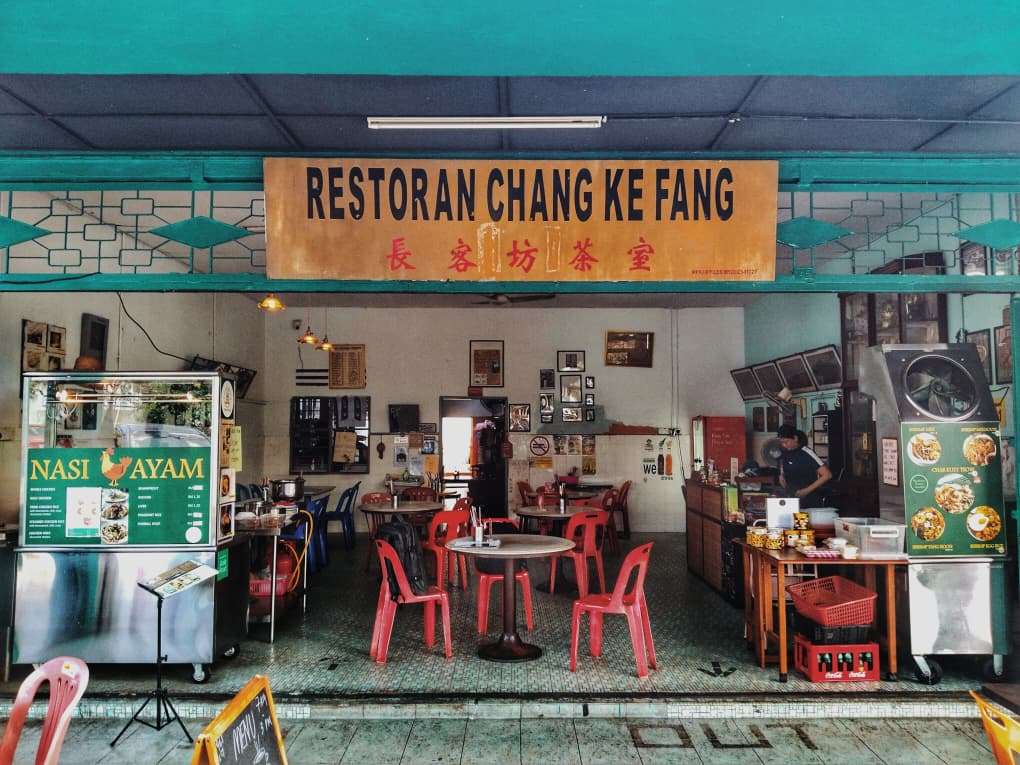
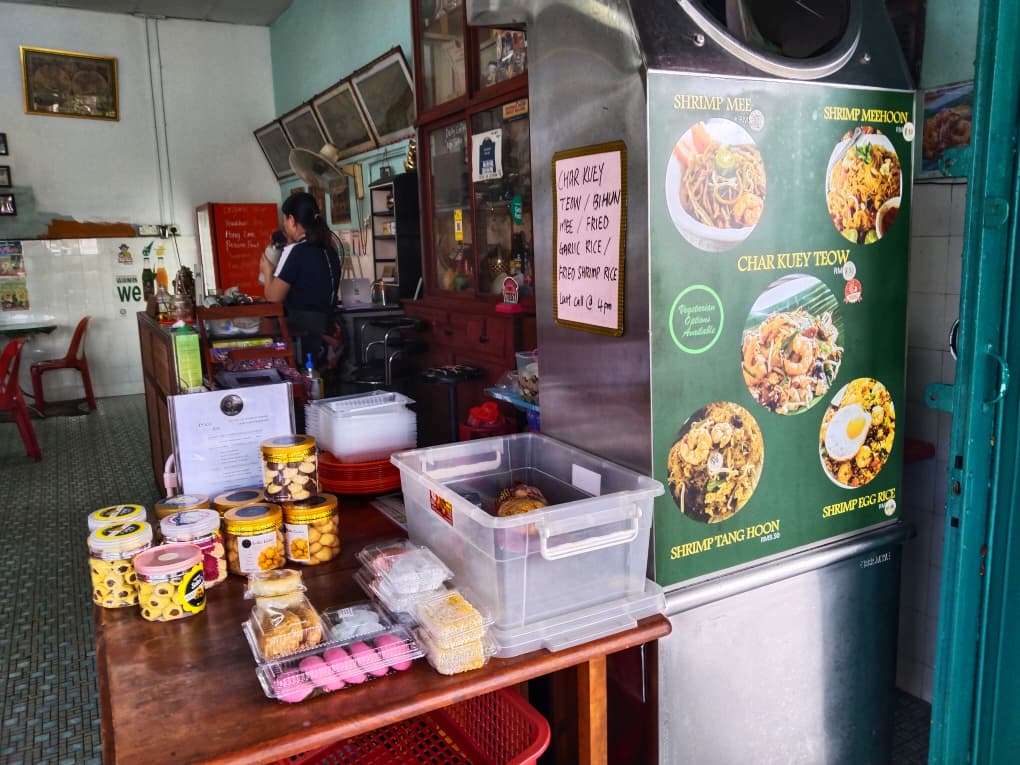
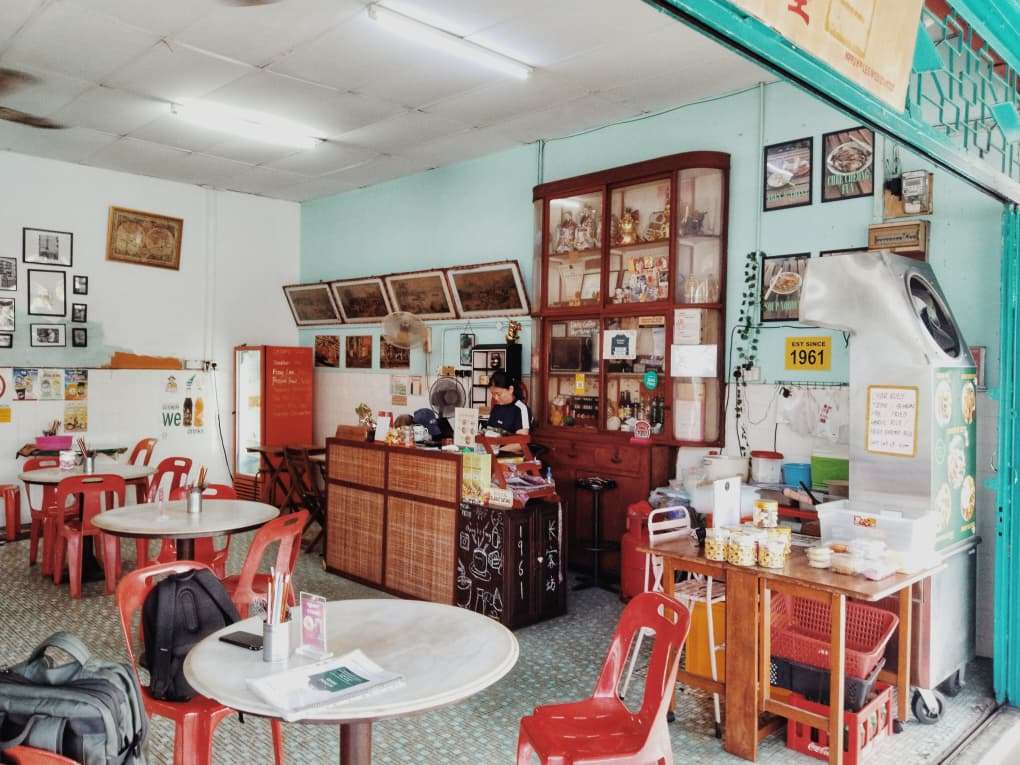
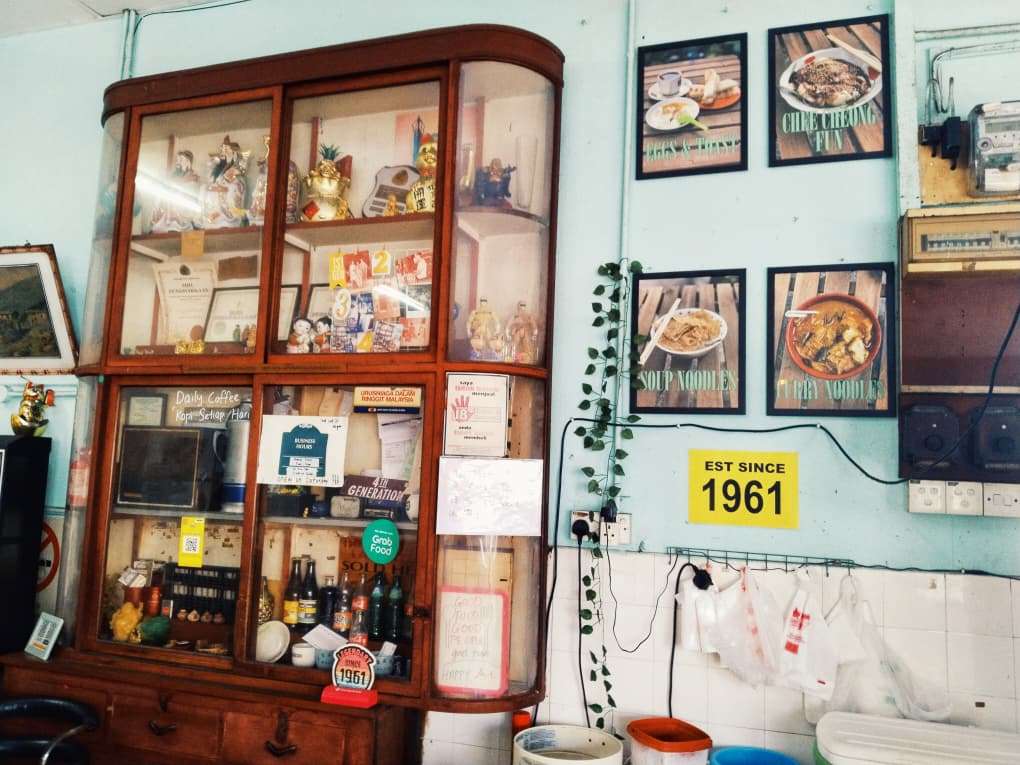
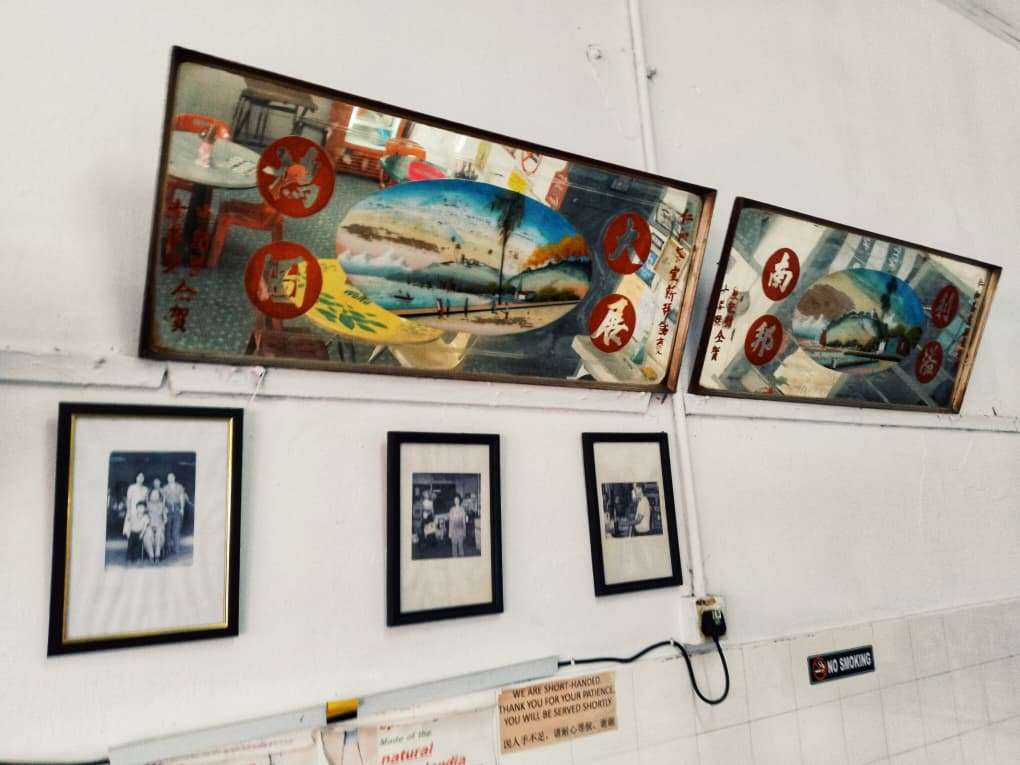
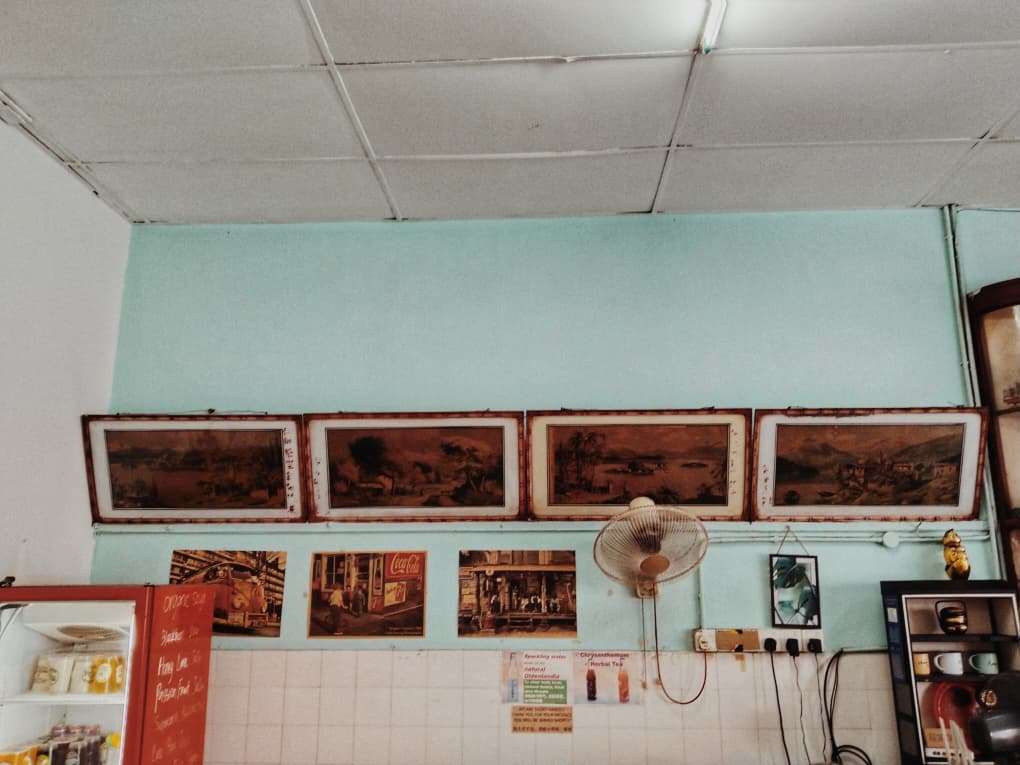
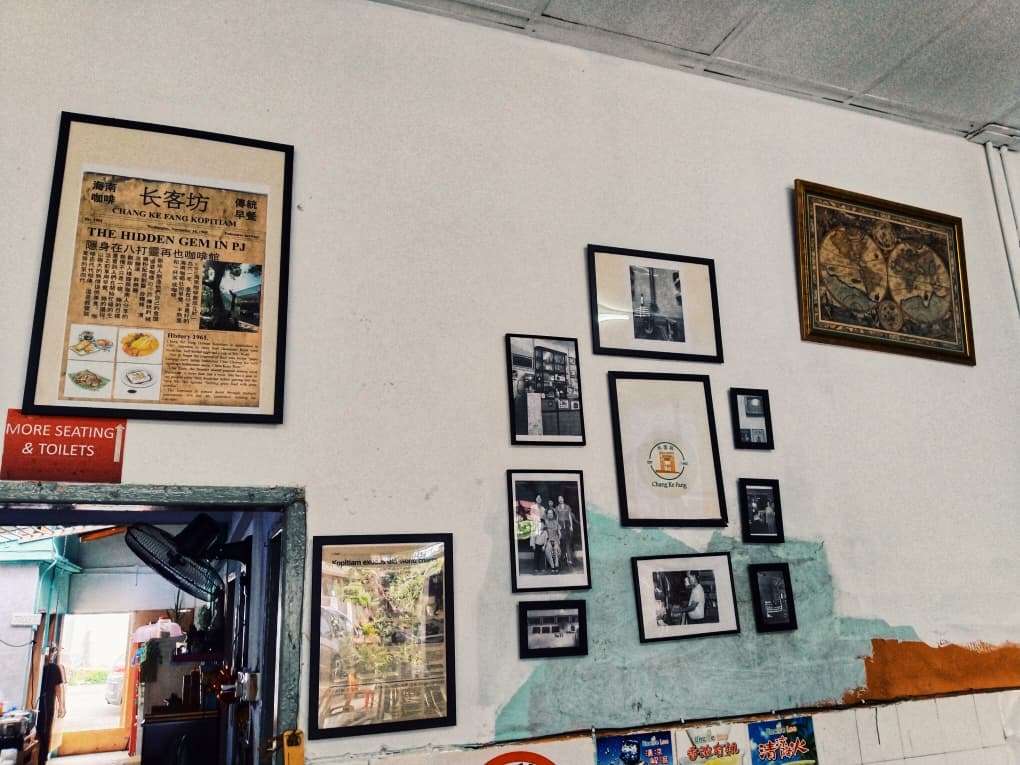
Our catch-up that day was in an old spot in Petaling Jaya: Restoran Chang Ke Fang. I was surprised to learn it dates back to 1961 — a cover worn soft like a much-read book. The afternoon breeze moved through the corridor; the metal shutter showed a quiet shine from years of use; the walls had been repainted but kept their restraint. I didn’t order food, so I’ll skip any comment on taste and leave that for next time. I didn’t meet the owner either. Two young staff looked after us, tidy and efficient, carrying a familiar routine forward.
Once seated, time seemed to warm up. Businesses now open quickly and close just as fast, like a tide. Yet this shop has held since 1961 and is running with the next generation. That span feels like a calm sentence spoken without hurry. It reminds me that a “system” isn’t a software version; it’s a rhythm tuned day after day. The hour you lift the shutters, the way you close, the feel of prepping ingredients, the glance when a regular walks in — all of it keeps a working order at a human temperature.
People ask if faster tech means old methods must go. My sense is simple: old isn’t the same as rigid, and tradition isn’t the same as slow. A system has one job — to steady the key actions for the world we’re in now. If it can catch today’s pace, it’s a good system. If it can’t, even the newest, loudest name is only more noise.
My own work is often labelled fixing, fine-tuning, updating, and building. Standing near this shop, I’d start “building a system” further back. Don’t replace everything at once. First, a steady one daily, unavoidable action. Place it small, clean, and repeatable in time. If it holds for seven days, it deserves a tool. If it holds for seven months, then we can talk about an upgrade. A system isn’t a slogan about sweeping change; it’s the repeated practice of making tomorrow as steady as today.
Markets keep pushing new words. Today it’s growth, tomorrow it’s conversion; today it’s social, tomorrow it’s generative search. Back in the shop, what decides whether you last is still a sense of boundary. Who are you for? What pays the bills? What you won’t do. With the edges clear, tools are easier to choose. The right fit works — even on paper. The wrong fit stalls — even with AI.
When I left the shop, the sky had turned a different blue. The young staff wiped the tables down; the light at the doorway looked like it had stepped out of an old photo. A thought landed: continuity isn’t clutching the past; it’s letting the good of the past be seen, used, and passed on today. Next time I’ll order a coffee and ask what they learnt first — not which dish, but which small task must be done every day. The answer won’t be flashy. It will likely carry more weight than any fashionable term.
The times will change their dictionary. The shop’s rhythm is the same language. Old systems needn’t be thrown away; they only become a burden when they refuse to listen to the present. AI needn’t be deified; it simply nudges us to amplify what genuinely works and shrink what only makes a fuss. As for me, I’ll keep being the one who pauses at the door: notice the wind, see which small actions have become a steady daily thing. Next time, I’ll add the taste to the story.